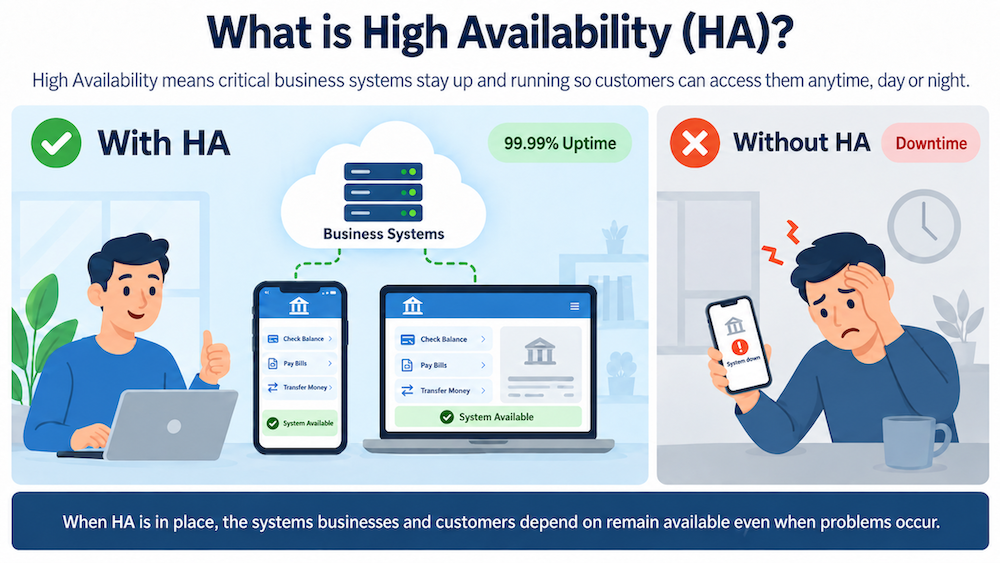
These days, applications and data are the lifeblood of most organizations, and everyone expects that the applications and data they need to get their work done will be available. But ensuring true application and data high availability (HA) – by which we mean the assurance that you can interact with them at least 99.99% of the time – can sound like a costly proposition. But a clear understanding of where to apply HA and how to do so cost effectively can more than justify the cost. In fact, it can protect you from the extensive costs and consequences of downtime and disaster. The question is, how can you determine how best to invest in an HA infrastructure?
This Networking Computing article by a SIOS solutions architect looks at the considerations for determining which applications and data justify the investment in an HA infrastructure and suggests cost-effective steps that organizations can take to improve the availability of those systems and data stores that it will opt not to protect with a full HA infrastructure.
Want to take the next step with SIOS? Request a demo today to see how SIOS can help you protect critical workloads, minimize downtime, and ensure seamless high availability.
Author: Beth Winkowski, Public Relations